Electric Train Embroidery Review
As an experienced embroidery designer, I’ve had the opportunity to evaluate numerous machine embroidery designs for small business use. One that stands out is Electric Train, a beautifully designed redwork embroidery perfect for transportation-related projects. This design offers versatility and visual appeal, making it ideal for branded merchandise, patches, and custom apparel. In this review, I’ll walk through its strengths, limitations, and practical considerations for real-world use.
First Impressions of Electric Train
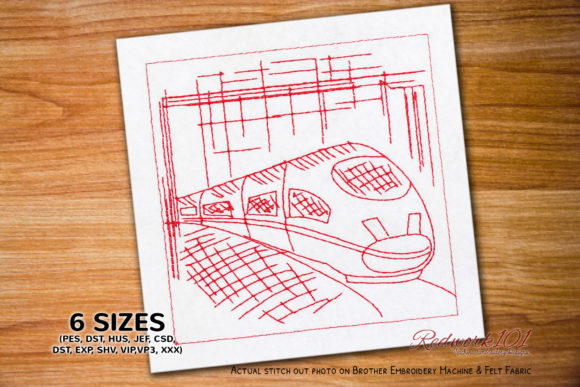
Electric Train exudes a classic, handmade aesthetic with its redwork style. The design feels professional yet approachable, blending rustic charm with modern simplicity. Its bold lines and clean structure make it suitable for both casual and premium branding. The optional Box Stitch adds a decorative touch, but the design works well without it, offering flexibility for different applications.
The color of the outer box is not fully described, which is important for determining how it will look on various fabrics and backgrounds. For small business owners, this detail could impact the overall brand identity and visual consistency. It’s recommended to request a sample or test the design on different materials before finalizing use.
Real Business Use Cases for Electric Train
Electric Train is highly adaptable for a range of small business merch needs. As an embroidered patch, it can be used on jackets, bags, and uniforms, adding a subtle yet memorable brand mark. On caps and tote bags, it serves as a strong visual accent that reinforces brand recognition.
For apron embroidery, the design’s size and detail are well-suited for larger surfaces, allowing for clear visibility without overwhelming the fabric. In cap embroidery, however, the design may need to be scaled down, which could affect readability and stitch density. Careful consideration should be given to how the design translates at smaller sizes.
When used as a tote bag design, Electric Train provides a stylish and functional element that appeals to customers looking for unique, handmade product options. Its redwork style also complements natural fabrics, making it a great choice for eco-friendly or artisanal brands.
Where to Use Electric Train with Caution
While Electric Train is versatile, there are certain scenarios where it may not perform as well. Small patch sizes, such as those used on name tags or keychains, could cause the design to lose clarity. Similarly, curved surfaces like caps or hoods may require adjustments to ensure the design aligns properly.
High stitch density and detailed outlines can be problematic on textured fabrics or dark uniforms, as they may cause the embroidery to appear less crisp. It’s important to test the design on the intended fabric type before mass production. Additionally, frequent washing can affect the longevity of intricate details, so durability should be considered for items that see regular use.
Impact on Brand Identity and Customer Trust
Electric Train has the potential to enhance brand identity by offering a consistent, recognizable visual element across all merchandise. When used on custom apparel, it creates a sense of professionalism and attention to detail, which can increase customer trust and engagement.
For small businesses, the design can elevate the perceived value of products, especially when paired with high-quality materials and proper finishing. It also supports visual consistency, which is crucial for building a cohesive brand image across multiple platforms.
As a handmade product, Electric Train adds a personal touch that resonates with customers who appreciate craftsmanship. Whether used on Etsy branding, printable mockups, or event merch, it helps create a unique and memorable experience for buyers.
Practical Tips for Embroidery Designers
Before using Electric Train in commercial embroidery projects, here are some essential steps to follow:
- Test the design in black and white to assess contrast and legibility.
- Check how it looks at small patch sizes to ensure it remains clear and readable.
- Review thread color contrast to ensure it stands out against the chosen fabric.
- Inspect spacing between elements to avoid overcrowding or distortion.
- Confirm the hoop size required for your embroidery machine to ensure compatibility.
- Test the design on real fabric to see how it interacts with texture and color.
- Use the appropriate stabilizer to prevent puckering or shifting during stitching.
- Create a mockup for client approval to ensure the finished product meets expectations.
- Compare Electric Train beside other design assets to maintain visual harmony.
- Verify commercial licensing terms before using the design for business purposes.
These steps help ensure that Electric Train performs well in real-world applications and meets the standards expected by clients and customers alike.
Conclusion: A Versatile Design for Small Business Use
Electric Train is a compelling choice for small business owners, embroidery shops, and crafters looking for a transportation-themed embroidery design. Its redwork style offers a timeless appeal that can be adapted to various merchandise types, from apron embroidery to tote bag design.
While it excels in many applications, careful attention must be paid to scaling, fabric compatibility, and stitch density to ensure the best results. With proper testing and consideration, Electric Train can become a valuable addition to any brand’s design assets, supporting both aesthetic and functional goals.