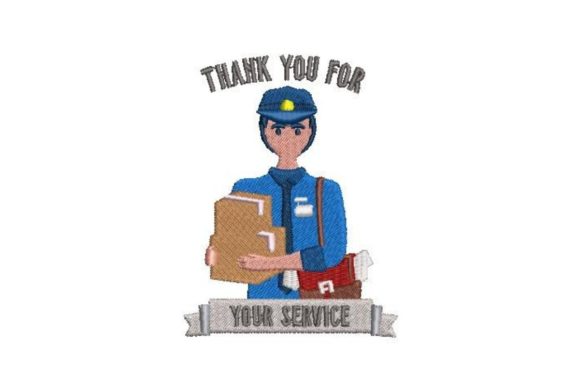
Postwoman Embroidery Design Review
The Postwoman embroidery design is a fresh and versatile addition to any craft fair product lineup. With its simple yet striking visual, it offers a wide range of applications for handmade products, making it an excellent choice for embroidery business owners and Etsy sellers looking to expand their offerings.
First Impression of Postwoman
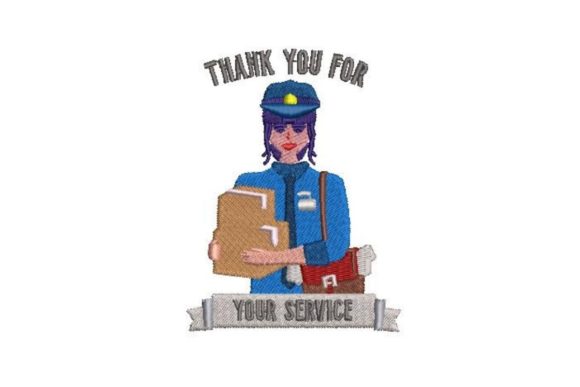
Postwoman carries a modern and slightly whimsical vibe that feels both professional and approachable. The design balances simplicity with detail, making it ideal for a variety of fabric types and product styles. It doesn’t scream “farmhouse” or “festival,” but it has a clean, polished look that can fit into many aesthetic themes.
Its bold lettering and clear iconography make it easy to recognize at a glance, which is essential for attracting customer attention in a busy craft fair booth. Whether you’re showcasing tote bag designs or apron embroidery, Postwoman stands out without overwhelming the eye.
Where Postwoman Shines
Postwoman excels on products like tote bags, aprons, and tea towels, where its size and clarity can be fully appreciated. As a tote bag design, it adds a subtle yet meaningful touch that customers will notice when they pick up the item. For apron embroidery, it becomes a focal point that elevates the overall look of the finished product.
It also works well as an embroidered patch or small fabric pouch design, offering flexibility for those who want to create multiple product variations. On caps and pillow covers, it maintains its integrity, though it may require some adjustments for curved surfaces.
For handmade gifts, Postwoman provides a thoughtful and unique element that resonates with buyers looking for something special. Its versatility makes it a great candidate for printable mockups and Etsy listings, where visual appeal plays a key role in driving sales.
Practical Selling and Production Considerations
As a machine embroidery design, Postwoman is straightforward to work with, especially for experienced embroidery designers. It’s easy to understand at a glance, making it ideal for batch production. However, its performance depends on how it's adapted to different fabric textures and sizes.
On thick fabrics or textured towels, the design may require additional stabilizer to prevent puckering or distortion. Small lettering could be lost if the design is scaled down too much, so it’s important to test it on various fabric types before finalizing production runs.
For commercial embroidery projects, ensuring proper stitch density and thread colors is crucial. A high-quality embroidery file will help maintain consistency across multiple items, which is essential for maintaining brand identity and customer satisfaction.
Careful-Use Notes
- Dense stitch areas: Be mindful of areas with heavy stitching, especially on dark or patterned fabrics, where the design might not show up clearly.
- Tiny details: If the design includes intricate elements, ensure they are large enough to hold up on smaller items like patches or caps.
- Thick fabric: Use a suitable stabilizer to keep the design flat and secure during stitching.
- Textured towels: Test the design on the intended fabric to avoid issues with visibility or durability.
- Curved cap surfaces: Adjust the hoop size or use a cap frame for optimal results.
- Dark fabric: Choose contrasting thread colors to ensure the design stands out.
- Small sizes: Avoid scaling the design too small, as it may lose clarity and impact.
Impact on Visual Appeal and Customer Engagement
Postwoman adds a sense of professionalism and creativity to any handmade product. Its clean lines and bold typography make it visually appealing, which is essential for drawing in customers at a craft fair or online store. When displayed on a booth sample, it can serve as a conversation starter and encourage potential buyers to explore other items in your collection.
As a small shop product, it enhances the perceived value of your offerings by adding a custom, artisanal touch. For Etsy sellers, it can be a valuable asset in creating cohesive design assets that reflect your brand’s style and quality.
Embroidery Designer Notes
Before producing Postwoman for your craft fair products, always test the design on scrap fabric to see how it looks in real life. Check thread contrast against the fabric color to ensure visibility and longevity. Review the spacing and stitch density to avoid overcrowding or gaps in the design.
Confirm the correct hoop size for your machine and use the right stabilizer for the fabric type. Creating at least one real mockup will help you visualize how the finished product will appear in person. Compare fabric colors to ensure the design complements your overall product line.
Finally, verify the commercial licensing terms of the embroidery file before selling finished products. This ensures you’re compliant and avoids any legal issues down the road.
Conclusion
Postwoman is a versatile and attractive machine embroidery design that has the potential to stand out in a crowded market. Whether you're using it for tote bag designs, apron embroidery, or small shop products, it offers a balance of style and practicality that appeals to a wide range of customers.
With careful consideration of fabric texture, stitch density, and thread colors, it can become a reliable staple in your embroidery business. For creative entrepreneurs and handmade shop owners, it represents a smart investment in both aesthetics and marketability.