Japanese Geisha Embroidery Design
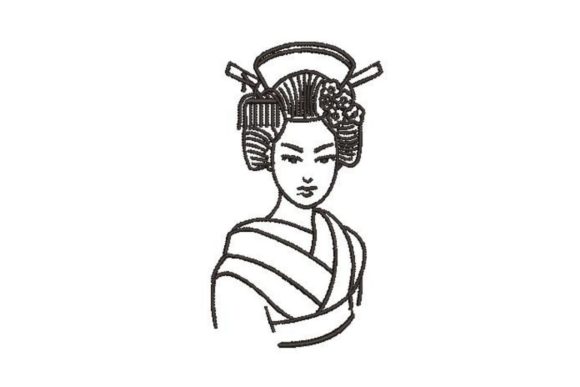
The Japanese Geisha embroidery design is a striking addition to any craft fair product lineup. Its delicate and fresh aesthetic makes it ideal for handmade products that aim to capture attention and evoke elegance. Whether displayed on tote bags, aprons, or embroidered patches, this design has the potential to stand out in a crowded market.
First Impression and Visual Appeal
From the first glance, the Japanese Geisha design feels elegant and refined. It carries a sense of cultural beauty without being overly complex. The soft lines and intricate details suggest a premium quality, making it suitable for high-end handmade products. This design is not bold or flashy, but its subtlety can be very appealing to customers looking for something unique and artistic.
Its visual appeal is enhanced by the way it balances detail with simplicity. It works well as both a small accent and a larger focal point, depending on the product. For a craft fair booth, this flexibility means it can be used across a range of items, from tea towel embroidery to pillow covers.
Performance on Different Products
The Japanese Geisha design shines on a variety of craft fair products. On tote bags, it adds a touch of sophistication that complements casual wear. As an apron embroidery, it brings a refined look to kitchen accessories. On tea towels, it offers a decorative element that can elevate everyday items into collectible pieces.
Embroidered patches featuring this design are especially popular among handmade shops. They can be sewn onto jackets, backpacks, or even children’s clothing, offering versatility. Fabric pouches and market bags also benefit from this design, as it adds a stylish and personalized touch.
For small shop products, the Japanese Geisha design is a strong contender. It works well as a printable mockup for Etsy listings, helping sellers showcase their work effectively. Its presence on booth samples can attract buyers who appreciate the craftsmanship behind each finished product.
Practical Selling and Production Points
One of the key advantages of the Japanese Geisha design is how easy it is to understand at a glance. Customers will immediately recognize the image and appreciate its beauty. This clarity is important for craft fair sellers who need to make quick impressions.
This design can be adapted to different sizes, making it suitable for both large focal pieces and smaller accents. For batch production, its consistency ensures that each finished product maintains the same level of quality. When photographing for online listings, the design captures well, especially when paired with appropriate thread colors and fabric textures.
However, there are some practical considerations. The stitch density may require careful handling, especially on thick fabrics or textured surfaces like towels. Small lettering or intricate details might not hold up on dark fabrics, so testing is essential before mass production.
Careful-Use Notes
When using the Japanese Geisha machine embroidery design, pay close attention to dense stitch areas. These can cause puckering or distortion if not properly stabilized. A good stabilizer is crucial, especially when working with lightweight or stretchy fabrics.
Curved cap surfaces and small fabric pouches may require adjustments to the hoop size. Ensuring proper spacing between elements helps maintain the design's integrity. For dark fabrics, consider using contrasting thread colors to ensure visibility.
Smaller sizes may lose some of the design’s clarity, so it’s best to test the design at various scales. This will help determine the most effective application for each product type.
Impact on Customer Engagement and Brand Consistency
The Japanese Geisha design enhances customer engagement by offering a visually appealing and culturally rich option. Its presence on a craft fair booth can draw in buyers who are looking for something unique and artistic. It also strengthens brand consistency, especially for shops that focus on beauty and traditional aesthetics.
As a handmade product, it reinforces the value of artisanal craftsmanship. Each finished product tells a story, which resonates with buyers who appreciate the effort and care behind handmade items. This emotional connection can lead to repeat purchases and word-of-mouth referrals.
Embroidery Designer Notes
Before producing the Japanese Geisha design in bulk, test it on scrap fabric to assess how it looks and performs. Check the thread colors against different fabric backgrounds to ensure optimal contrast. Review the stitch density and adjust as needed to prevent issues during production.
Confirm the correct hoop size for your machine and use the right stabilizer to avoid puckering or distortion. Creating at least one real mockup will help you visualize how the design will appear on actual products. Compare fabric colors to ensure the design stands out and remains true to its intended look.
Finally, confirm commercial licensing before selling finished products. This ensures that your business remains compliant and avoids any legal issues. With these steps, the Japanese Geisha design can become a valuable asset in your craft fair or handmade shop offerings.