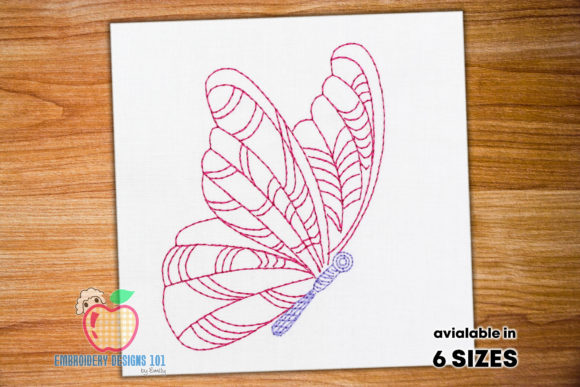
Flying Cute Butterfly
As a designer and embroidery product reviewer, I always start by evaluating a new machine embroidery design with a critical eye. Flying Cute Butterfly caught my attention not just for its aesthetic appeal, but for how it might translate into real-world projects. This is a design that feels like it was made to be used, not just admired.
The First Impression: Delicate and Intricate
Flying Cute Butterfly immediately evokes a sense of softness and elegance. The shape is balanced, the wings are detailed, and the overall layout suggests a natural, organic flow. It’s the kind of design that feels at home on baby items, personal gifts, or subtle accents on apparel. The theme is simple but effective—nature, whimsy, and charm all in one.
The level of detail is impressive. Satin stitch work on the wings gives a smooth, polished look, while fill stitches add depth without overwhelming the design. It’s clear that this is more than just a basic motif—it’s a design with character and potential.
Real-World Embroidery Performance
When considering where to place Flying Cute Butterfly, the options are wide-ranging. It works well as an embroidered patch, a tote bag design, or even as part of a sweatshirt embroidery. Its size and complexity make it ideal for custom apparel, baby clothes, or holiday gifts where a touch of personality is needed.
On a tote bag, it adds a playful yet refined element. On a baby onesie, it brings a gentle, comforting presence. As a decorative accent on a cap or apron, it stands out without being too bold. The design adapts well to different fabrics and styles, making it versatile for a range of creative applications.
However, there are some limitations. The intricate details may not hold up on small hoop sizes, and the stitch density could be challenging on thin or stretchy fabrics. For best results, a medium to large hoop is recommended, along with proper stabilizer to prevent puckering or distortion.
Where to Use With Caution
While Flying Cute Butterfly is visually appealing, it requires careful consideration in certain situations. On textured fabrics or dark backgrounds, the thread colors may not show up as clearly as intended. Thin or stretchy materials can also cause issues if not properly stabilized.
For layered garments or curved surfaces like caps, the design may need adjustments to fit correctly. Tiny lettering or dense stitch areas could become lost in the details, so it’s important to test the design before committing to a final project.
This is especially true for commercial embroidery projects where consistency and clarity are key. If you’re planning to sell finished products, ensure that the design maintains its integrity across different fabric types and stitching conditions.
Impact on Visual Appeal and Customer Perception
One of the most important factors in any embroidery project is how the finished product looks. Flying Cute Butterfly has a high visual appeal, especially when stitched with care. It adds value to handmade products, makes personalized gifts more meaningful, and enhances the overall presentation of a craft business item.
Customers often respond positively to designs that feel unique and thoughtful. A well-executed Flying Cute Butterfly can increase customer trust, improve brand consistency, and make your products stand out in a crowded market. Whether it’s for Etsy, a craft fair, or a boutique shop, this design has the potential to elevate your offerings.
It also plays a role in buyer engagement. People love seeing delicate, nature-inspired elements in their purchases, and this design offers that without being too complicated. It’s the kind of detail that makes a product feel special and worth the price.
Practical Designer Notes
Before using Flying Cute Butterfly in any project, I recommend testing it on scrap fabric. This helps determine how the design looks on different materials and whether the thread colors contrast well. It also allows you to check the stitch density and ensure that the design doesn’t become too busy or messy.
Consider how it will appear in black and white mockups. Sometimes, what looks good in color may not translate well in monochrome, especially for digital product previews or printable mockups. Testing it on both light and dark fabric backgrounds is also a good idea to see how it performs in different settings.
If you’re planning to use this design for commercial purposes, confirm the licensing terms first. Make sure it’s suitable for both personal and commercial projects, and always use the right stabilizer for the fabric you’re working with.
Final Thoughts: A Versatile Design for Creative Use
Flying Cute Butterfly is a design that deserves a place in any embroidery toolkit. It’s beautiful, practical, and adaptable to a wide range of projects. Whether you’re creating custom apparel, baby items, or small shop merchandise, this design can enhance your work and add a touch of charm to your finished products.
As with any embroidery file, the success of Flying Cute Butterfly depends on how well it’s executed. With the right techniques, proper materials, and attention to detail, it can become a standout element in your craft business or personal projects. Just remember to test it thoroughly and consider the fabric and hoop size before starting.