Bear in Habitat
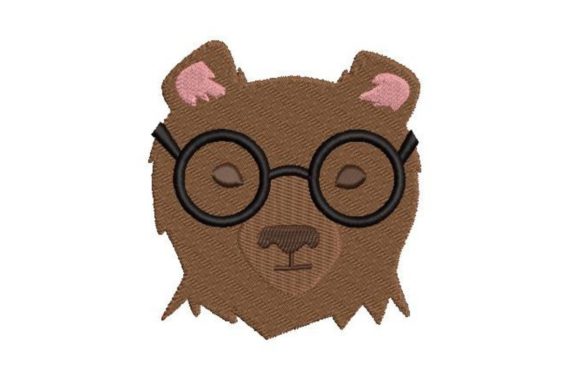
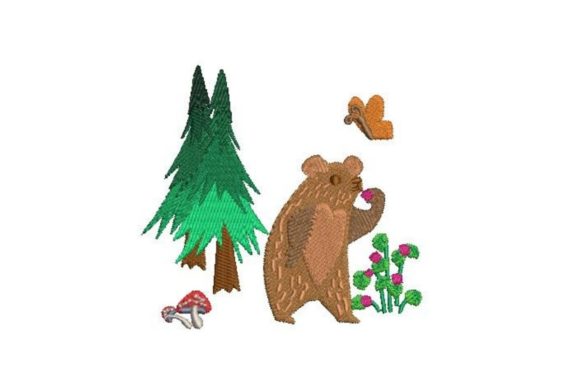
As a designer who’s worked with countless embroidery files, I always start by evaluating the mood and visual personality of a design before considering its practical use. Bear in Habitat is a charming piece that immediately evokes a sense of warmth and nostalgia. The bear is depicted in a natural setting—perhaps a forest or meadow—with soft details that suggest a peaceful environment. This makes it ideal for projects aimed at children or nature lovers.
First Impressions: A Design That Speaks to Simplicity and Nostalgia
The first thing that stands out about Bear in Habitat is its clean layout and gentle aesthetic. The bear is centered within a small habitat, which gives it a sense of place without overwhelming the viewer. The level of detail is moderate, with enough definition to make the bear recognizable but not so intricate that it becomes difficult to stitch on smaller machines or with limited hoop space.
This design feels like it belongs on a baby onesie, a nursery wall hanging, or a custom tote bag. Its theme aligns well with woodland animals, making it a natural fit for any project that leans into a rustic or whimsical vibe. The overall composition suggests it could work as an applique design, especially if you’re looking to add texture and dimension to a fabric piece.
Real-World Use: Where It Shines and Where It Might Need Attention
In real-life embroidery situations, Bear in Habitat performs well on most standard fabrics. It works particularly well on cotton, canvas, and medium-weight denim. However, there are a few considerations to keep in mind. For instance, if you're planning to use it on a sweatshirt or t-shirt, you’ll want to ensure the fabric isn’t too stretchy, as this can distort the design during stitching.
For custom apparel, Bear in Habitat is best suited for larger hoop sizes. If you're working with a smaller hoop, you may need to break the design into sections, which can be time-consuming. On textured fabrics, such as flannel or corduroy, the design might appear slightly less crisp, so testing on scrap fabric is always a good idea.
If you're using it on dark fabric, you'll want to choose thread colors that contrast well. A white or light-colored bear on a black background could look striking, but you’ll need to adjust your color choices based on the final product’s intended look.
Where to Be Cautious: Fabric, Hoop Size, and Stitch Density
There are a few areas where Bear in Habitat might require extra care. On thin or stretchy fabrics, the design could lose some of its definition. Using a proper stabilizer is essential here to prevent puckering or distortion. Similarly, if you're planning to use it on a curved surface like a cap or hat, the design may need some adjustment to fit properly.
The stitch density is moderate, which is great for most projects. However, if you're planning to use it on a large area, such as a pillow cover or a kitchen towel, you might want to check how the fill stitches look when repeated. Dense areas could cause the fabric to stiffen, so balancing the design with open spaces is key.
Another consideration is the design’s ability to work with both personal and commercial projects. If you're an Etsy seller or a small shop owner, you’ll want to confirm the licensing terms before selling finished items or digital products. Always review the file formats provided—though the exact formats aren’t specified, having multiple options is a plus for flexibility.
Designing With Bear in Habitat: Practical Tips for Success
Before jumping into a full project, I recommend testing Bear in Habitat on scrap fabric. This allows you to see how the stitches interact with the material and whether the design looks as expected. Pay close attention to the thread colors and how they stand out against the fabric. If you're creating a printable mockup or a digital product preview, test it in black and white to ensure the details remain visible.
When using Bear in Habitat for personalized gifts or handmade products, consider the context. A bear in a habitat could be a great addition to a baby shower gift, a holiday ornament, or a custom patch. Its appeal is broad, but it also has a specific charm that works best in certain settings.
If you're designing for a craft business or a small shop, think about how Bear in Habitat fits into your brand’s identity. Is it consistent with your other designs? Does it enhance the value of your products? These are important questions to ask before committing to a large batch of embroidered items.
Final Thoughts: A Versatile Design for the Right Audience
Bear in Habitat is a solid choice for anyone looking to add a touch of nature to their embroidery projects. It’s versatile enough to work on a variety of items, from baby clothes to custom tote bags, and its design is appealing to both kids and adults. However, it’s not a one-size-fits-all solution. Like any machine embroidery design, it requires thoughtful application to achieve the best results.
Whether you're an experienced embroiderer or just starting out, Bear in Habitat offers a great opportunity to experiment with different fabrics, thread colors, and project types. Just remember to test, plan, and consider the end user’s experience. After all, the goal of any embroidery project is to create something that’s not only beautiful but also functional and meaningful.